Starting your career or considering a change in direction? Writing a CV and cover letter can feel daunting, but it doesn’t have to be. After reviewing lots of CVs over the years, we’ve gathered our top tips to help you stand out, particularly if you’re aiming for a career in the marine sector.
A key point to remember is that many roles, especially within the marine conservation sector, are highly competitive, often attracting 50 to 100 applications or more. Recruiters, managers, or CEOs may only give each application a quick initial scan before deciding which ones to shortlist for closer review. That’s why it’s essential that your application stands out at first glance. The good news is, the following tips are designed to help you clear that first hurdle with confidence!
Key Tips for Writing a Strong CV
- Keep it current. Update your CV regularly with your most recent and relevant experience.
- Limit it to two pages. Anything longer risks losing the reader’s attention. If you have extensive experience, highlight only the most relevant roles. Experience not included should be included in your LinkedIn profile which should be included within your CV
- Send it as a PDF. This ensures your formatting stays intact and can be opened easily on any device.
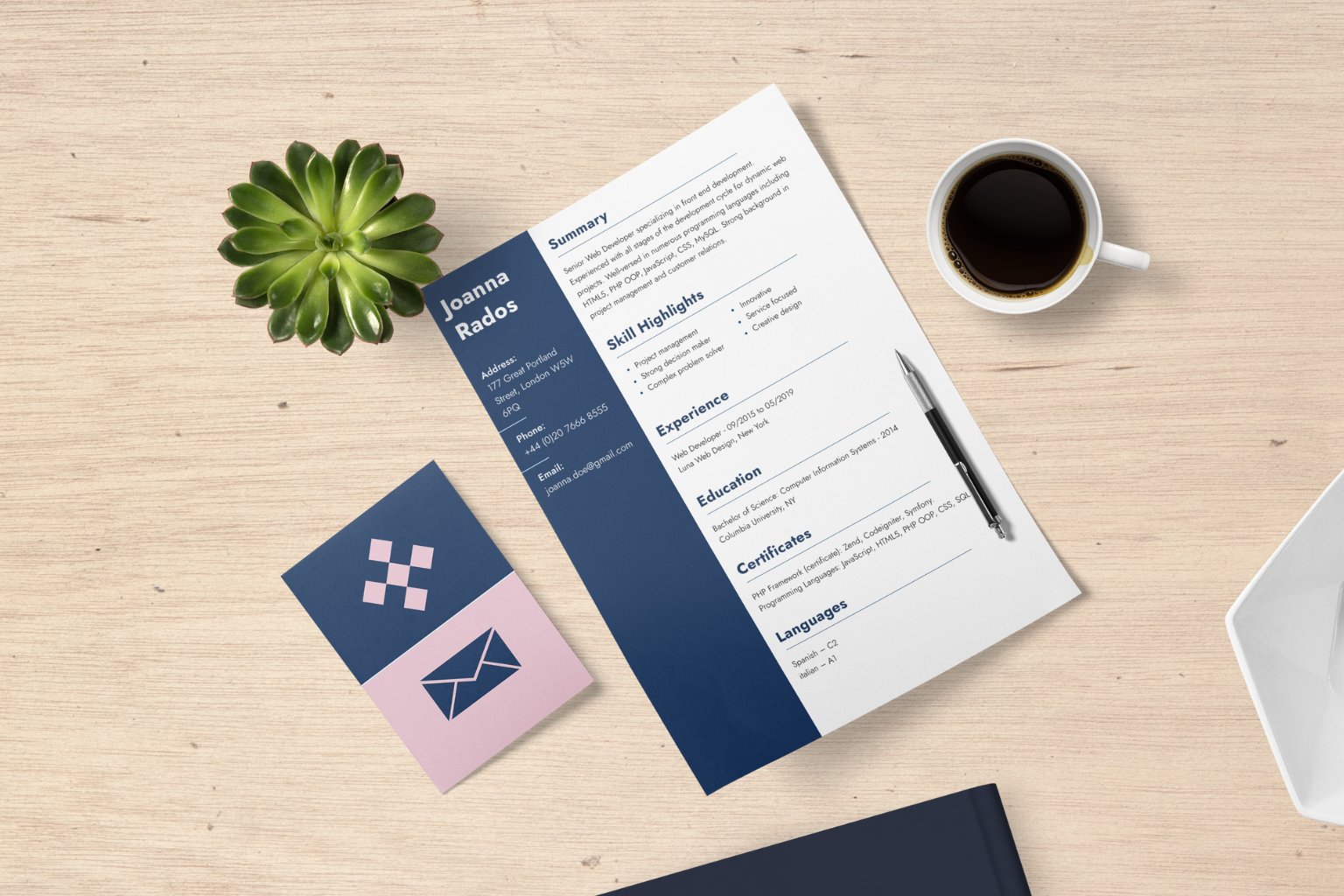
- Use a clear, structured layout. A side column for quick-glance information, such as skills, hobbies, or languages, works well with the main section dedicated to education and work experience.
- Include a short personal summary. A few sentences about who you are and why you’re a strong fit for the role can make a great first impression.
- Avoid clutter. Keep the design clean and professional, making it easy to read at a glance.
- Order matters. Start with your education, followed by work experience. Clearly show dates for each role.
- Link to your LinkedIn profile. Ensure it’s up to date, with additional details, a summary, and a professional photo.
- Ensure all links work. Broken links can create a negative impression.
- Stay relevant, but don’t omit everything unrelated. Even if some experience isn’t marine-focused, it still shows how you’ve developed skills and filled career gaps. LinkedIn can provide further context if needed.
- Proofread carefully. Check for spelling, grammar, and consistent formatting. A polished CV signals professionalism.
Key Tips for Writing a Strong Cover Letter
Your cover letter is your chance to go beyond the facts on your CV and show who you are, why you want the role, and what makes you stand out. Here are some tips to make it stand out:
- Tailor it to the job and organisation. Avoid sending a generic letter to multiple companies as this can be obvious and it can cost you an interview.
- Address it to the right person. If the job advert mentions a specific contact, use their name. If there is a name, avoid greetings like “To whom it may concern”, as it suggests you haven’t read the brief.
- Double-check the recipient’s name. Addressing your letter to the wrong person happens more often than you’d think and it creates a poor first impression.
- Show your personality. This is your opportunity to bring your character and motivation to life, something a CV can’t fully do.
- Go beyond your CV. Don’t simply reword your CV or list your experience again. Instead, explain how your previous roles have prepared you for this position and why your skills make you the ideal candidate. Don’t just say they do explain why they do.
- Explain gaps or unique experiences. If you took time out to travel, study, or pursue personal projects, highlight what you learned and how it adds value to your application.
- Research the organisation. Understand its mission, values, and culture. Link your experiences or outlook to these, not by simply stating “I share your values”, but by showing examples that prove it.
- Be specific about your motivation. Share why this specific role and organisation excite you. A personal touch helps you stand out in a sea of similar applications.
- Include essential skills clearly. If the job description lists specific requirements, such as diving certification or first aid, make sure to highlight these clearly.
- Proofread everything. Check spelling (especially of the name of the person you are writing to and the organisations), grammar, and formatting carefully. Always submit as a PDF to preserve your layout.
- Combine your CV and cover letter into one PDF. Lead with the cover letter so the recruiter sees it first.
- Name your file professionally. Save it as ‘Your Name – CV and Cover Letter.pdf’ rather than ‘CV1.doc’. On busy recruiting days, a well-labelled file makes it easy to find you again.

We hope this guide helps you with your next job application. For more tips on building a career in the marine sector, check out the other posts in our WiseOceans Autumn Blog Series.